


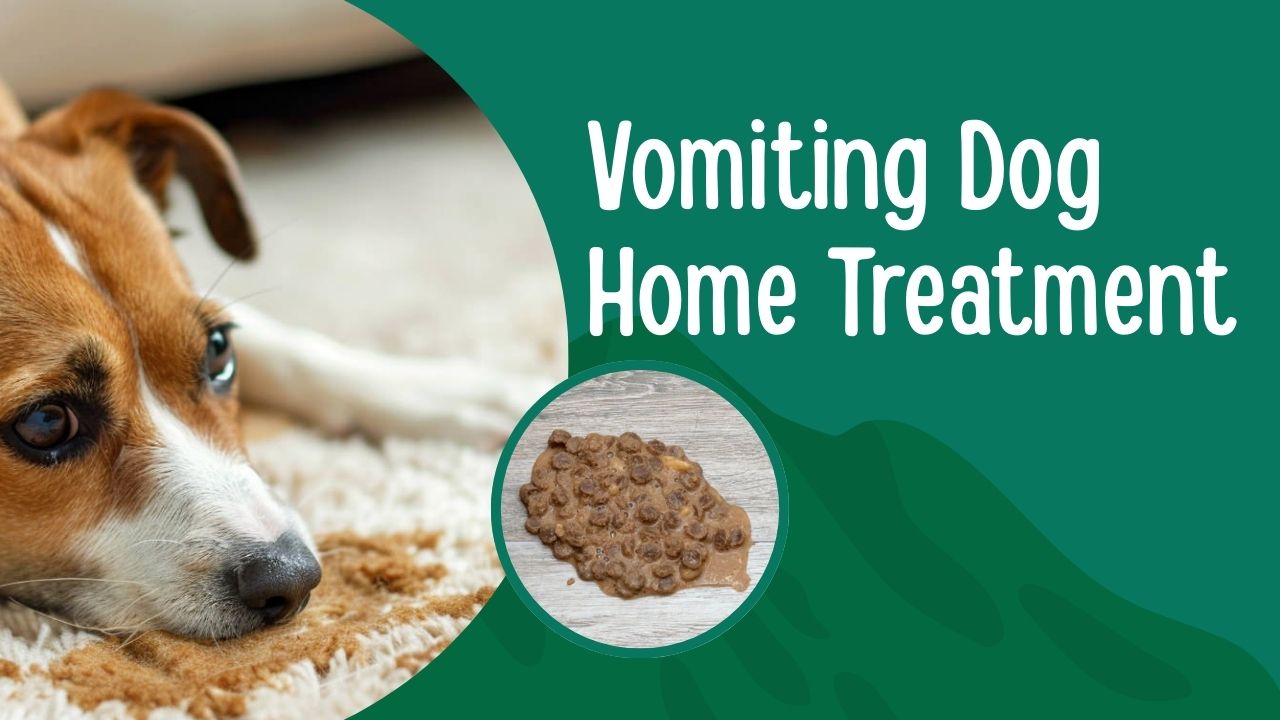
What Is Vomiting in Dogs?
Vomiting in dogs occurs when the dog rapidly expels the contents of its stomach through its mouth. These contents may be partially digested food or liquid. These can be yellow bile or blood or mucus vomited in dogs. There are many reasons for vomiting in dogs such as excessive excitement and running, eating grass, drinking water rapidly, acidity on empty stomach, gastric problem or indigestion etc.
In vomiting problem in dogs, instead of the normal expulsion of stomach contents, the partially digested contents come out through the mouth. This is not a common case, it is a sign of some serious illness .
Types of Vomit in Dogs
A few common types of dog vomit include:
White, Foamy Vomit
Acid reflux or mild stomach irritation are frequently associated with white, foamy vomiting in dogs. It might not be serious if it occurs occasionally and your dog appears normal. However, it’s a warning sign if your dog continues to throw up white foam and nothing else. A dangerous condition known as Gastric Dilatation-Volvulus (GDV) may be indicated by a swollen belly, restlessness, or pain. You should take your dog to the veterinarian immediately because this is an emergency.
Vomit that is clear and liquid
A dog’s stomach may stretch if they drink too much water too quickly, which could result in clear or watery vomit. It’s usually not a major concern if this occurs only once and your dog feels fine afterwards. However, it’s best to ask your veterinarian for advice if the vomiting persists or gets worse.
Moldy, slimy, or mucusy vomit
A slimy, mucusy, or moldy-looking vomit could indicate parasites or a bad meal. Dogs can occasionally end up in spoiled food, trash, or unclean water, such as puddles or algae-filled lakes. Vomiting may result from these upset stomachs. In these situations, it’s critical to have your dog examined by a veterinarian in order to determine the precise cause and begin appropriate treatment.
Bloody Vomit
It’s an emergency if your dog vomits blood. You should get in touch with your veterinarian immediately. Bring a small sample of the vomit to the appointment by carefully placing it in a clean plastic bag or container. This could assist the veterinarian in determining the root of the issue.
The appearance of blood in vomit can vary. It can look dark and grainy like coffee grounds, thick and jelly-like, or bright red and fresh. The location of the bleeding within your dog’s digestive tract frequently determines its color and texture.
Brown Vomit
Sometimes partially digested food can be found in brown-colored vomit. But it could also be digested blood from further down the digestive tract, which can look like coffee grounds. It might even be fecal matter in certain situations. You should have your dog examined by a veterinarian right away because these causes can be dangerous.
Grassy Vomit
When they are feeling nauseous, some dogs consume grass. Usually, a single episode of grass vomiting is not a serious problem. Additionally, dogs may chew grass for enjoyment, boredom, or to supplement their diet with fiber.
On the other hand, your dog may be experiencing a health issue if they are eating a lot of grass and throwing up yellow-green bile or foam. For a thorough assessment, it is best to arrange a veterinary visit in that situation.
Vomiting Dog Home Treatment
If you are searching for vomiting dog home treatment USA solutions, this guide will help you understand what to do first, when to try home care, and when to visit a vet. Many mild stomach issues can be handled safely at home. But serious vomiting needs quick action. Let’s break it down clearly and simply.
Home Remedies for Nausea and Vomiting
For mild cases, some pet owners in the USA use natural options as part of vomiting dog home treatment USA plans.
Homeopathy is sometimes used for nausea and vomiting in dogs:
- Ipecac root (6x or 30c) – Helpful for severe nausea with drooling, swallowing motions, or nervous behavior.
- Nux Vomica (6x or 30c) – Often used when a dog vomits after eating too fast.
- Pulsatilla (6 or 30c) – Used when undigested food comes up.
To give pellets:
Place 1–3 pellets in a glass bottle of water. Shake firmly 20–30 times. Give one drop inside your dog’s mouth. Even a few drops count as one dose.
Always talk to a licensed veterinarian before trying new remedies.
Let Your Dog’s Stomach Rest
One of the most important steps in vomiting dog home treatment USA is resting the stomach.
Do not feed your dog right away.
Withhold food for 6–8 hours (do NOT fast puppies). This helps calm the digestive system.
After that, try small amounts of bone broth.
Bone Broth Feeding Guide
| Dog Size | Amount Per Feeding |
|---|---|
| Toy/Small Breeds | 1–2 tablespoons |
| Medium Dogs | 1–2 ounces |
| Large Dogs | 4–6 ounces |
| Giant Breeds | 8 ounces |
Give every hour if your dog keeps it down.
If vomiting continues, wait 4–5 hours and try again.
After 12–24 hours without vomiting, slowly reintroduce soft, warm food.
This step-by-step process is a core part of safe vomiting dog home treatment USA care.
When Vomiting Is an Emergency
Not all vomiting is minor. Sometimes vomiting dog home treatment USA is NOT enough.
Go to the Vet Immediately If You Notice:
| Symptom | Possible Cause |
|---|---|
| Vomiting + diarrhea + shaking | Poisoning |
| White foam + swollen belly | Bloat (torsion) |
| Blood in vomit | Ulcer or internal injury |
| Projectile vomiting | Blockage |
| Vomiting + constipation | Obstruction |
| Lethargy + kidney issues | Kidney failure |
Common Household Poisons in the USA
Dogs may vomit due to poisoning. Common toxins include:
- Household cleaners
- Antifreeze
- Pesticides
- Xylitol (found in gum and peanut butter)
- Chocolate
- Toothpaste
- Certain houseplants
If poisoning is suspected, skip vomiting dog home treatment USA steps and go straight to an emergency vet.
Special Condition: Bloat (GDV)
Bloat is life-threatening and more common in deep-chested breeds like:
- Great Dane
- Doberman Pinscher
- Boxer
Signs include:
- Swollen belly
- White foamy vomit
- Restlessness
- Drooling
Bloat is NOT something to treat at home. Immediate veterinary care is critical.
Kidney Failure and Chronic Conditions
If your dog already has kidney disease, vomiting can signal worsening health. In this case, vomiting dog home treatment USA should not replace medical care. Always consult your vet.
Common Sense Matters
Sometimes dogs vomit just to clear their stomach. It can be normal.
But if your dog:
- Can’t hold liquids
- Seems weak
- Won’t eat or drink
- Keeps vomiting repeatedly
Then home care isn’t enough.
The key to safe vomiting dog home treatment USA is observation. Mild cases may improve with rest and careful feeding. Serious symptoms need professional help.
Also Read: Easy Dog Skin Infection Treatment Guide for American Pet Owners
Final Thoughts
Most mild vomiting cases can be managed with simple vomiting dog home treatment USA steps like fasting, bone broth, and slow refeeding. But emergencies like poisoning, bloat, or blockages require immediate veterinary attention.
When in doubt, trust your instincts and call your vet. Your dog’s safety always comes first.
1 thought on “Best Vomiting Dog Home Treatment in USA”