
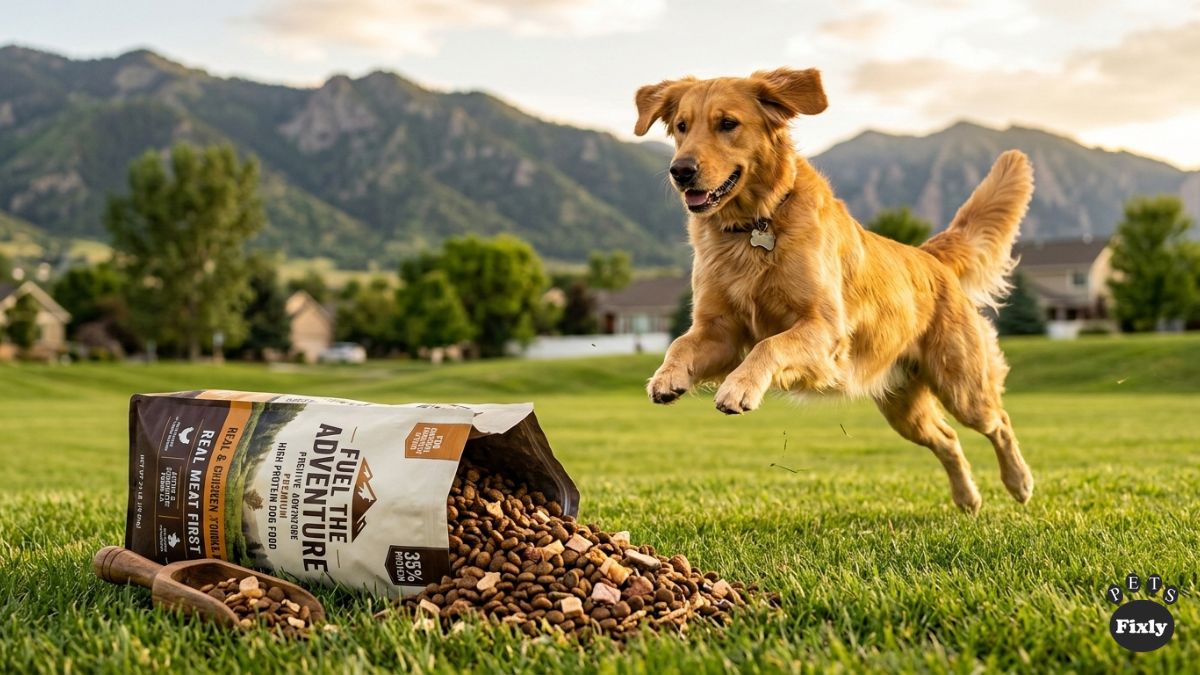
Best High Protein Dog Food 2026: Benefits, Brands & Buyer’s Guide
Many dogs can greatly benefit from a high-protein food, but proper selection and use are essential. I’ll explain what a “high-protein food” actually is, why it’s so popular in the US, and how to determine if it’s beneficial for your dog.
What is high protein dog food?
Dog food containing more protein than regular dog food is called high-protein dog food. In the US, the crude protein content is usually indicated as a percentage on the bag label. On a dry matter basis, many common adult dog foods contain between 18 and 26% protein, while high-protein dog foods often contain higher amounts to provide muscle and energy support. Instead of using cheap fillers, the main ingredients are meat, fish, or eggs.
When a store sells “high protein dog food,” it usually emphasizes features like “grain-free” or “active dog formula,” or the use of real meat as a main ingredient. These claims may sound impressive, but the real test lies in the ingredients list and guaranteed analysis. You want high protein from premium animal sources, not just a slogan on the packaging.
Why do American dog owners love high protein dog food?
Many Americans consider their dogs to be members of their family and want to give them the “best” food available. Because protein is associated with strength, energy, and a glossy coat, high-protein dog food seems like an improvement. High-protein dog food, according to many owners of active breeds like Labs, German Shepherds, and Huskies, helps their dogs maintain lean muscle while remaining active and playful.
Weight control is another factor in the popularity of high-protein dog food. Dogs typically feel fuller and may beg less in between meals when they consume more protein and fewer empty carbohydrates. Some overweight dogs may be able to gradually return to a healthier weight while still feeling content thanks to this. This is, in my opinion, one of the main practical advantages that the majority of American dog owners observe when they make the switch to high-protein dog food.
Simple example: when high protein dog food helps
Let’s say you have a two-year-old Border Collie who enjoys running and hiking with you multiple times a week. He appears a little worn out after a long day and is not very muscular when eating a regular meal. You may see an improvement in his stamina, a glossier coat, and more defined muscles after he switches to a carefully selected high-protein dog food. This is due to the fact that high-protein dog food provides his body with the nutrients it needs to grow and repair muscle after exercise.
However, the same high-protein dog food may be more than your small, elderly lap dog needs if they sleep most of the day. This does not imply that eating a lot of protein is “bad,” but it does indicate that you should consult your veterinarian first, particularly if your dog has liver or kidney problems. Like anything powerful, high-protein dog food should fit the dog, not just the fad.
Basic comparison of dog food types
Here is a simple table to help you see how high protein dog food compares to regular food in everyday terms:
| Feature | Regular dog food (typical) | High protein dog food (typical) |
|---|---|---|
| Main focus | General nutrition | Extra muscle and energy support |
| Protein level | Moderate | Higher than average |
| Best for | Average, low‑activity dogs | Active, working, or fit dogs |
| Feeling of fullness | Normal | Often helps dogs feel fuller |
| Body condition goal | Maintain | Build or protect lean muscle |
This straightforward table explains why so many dog owners with active dogs choose high-protein dog food while others stick to a regular, balanced formula. It’s important to remember that high-protein dog food is only better for specific needs and not necessarily better for all dogs.
How to pick a good high protein dog food
Try to read the bag like a label detective when you purchase high-protein dog food in a U.S. store or online. You want animal protein, such as chicken, beef, turkey, fish, or eggs, to be near the top of the ingredients list. Next, verify that the food is labeled as “complete and balanced” for your dog’s life stage by looking at the protein percentage. This indicates that the high-protein dog food is a complete diet with the appropriate vitamins and minerals, not just a treat.
It’s also a good idea to consult your veterinarian and look up the brand’s reputation. While some dogs do better on moderate protein, particularly if they are older or have health issues, others thrive on high protein dog food throughout their adult lives. You can save money and safeguard your dog’s health over time by having a brief discussion about high-protein dog food with your veterinarian. In my view, the most recent buzzword on a bag is not as important as your dog’s age, activity level, and medical history.
Also Read: 5 Best Dry Food for Cats in 2026 (Top Picks & Reviews)
FAQs about high protein dog food
High protein dog food is a big topic for dog parents in the U.S., so here are some common questions in simple language.
Can all dogs benefit from high-protein dog food?
A: Active, working, young, or extremely fit adult dogs that consume a lot of energy on a daily basis are typically the best candidates for high-protein dog food. Dogs that are calm, elderly, or ill might require a different balance.
Is it possible for my dog to lose weight with high-protein dog food?
A: Because high-protein dog food helps maintain muscle while your dog loses fat and may help them feel full on fewer calories, it can aid in weight loss. Exercise and portion control are still necessary.
How often should I give my dog high-protein food each day?
A: When fed high-protein dog food twice a day, in the morning and the evening, the majority of adult dogs thrive. Puppies typically require more frequent meals, so you should heed your veterinarian’s advice.
Will my dog’s kidneys be harmed by high-protein dog food?
A: High-protein dog food from a reputable brand is typically safe for a healthy dog. Before selecting high-protein dog food, you should consult your veterinarian if your dog already has kidney disease or other problems.
How can I safely transition to high-protein dog food?
A: Incorporate a small amount of high-protein dog food into your dog’s existing diet, then gradually increase the quantity over a period of seven to ten days. This small adjustment helps prevent upset stomachs while you see how your dog reacts.